Introduction
In the ever-evolving landscape of technology, Meta Reality Labs is set to make waves with its upcoming developer conference centered around AI avatars. Scheduled to take place in the United States, this event promises to be a significant milestone in the realm of artificial intelligence and virtual interaction. As companies increasingly pivot to digital experiences, the importance of avatar technology in facilitating these interactions cannot be overstated.
What Are AI Avatars?
AI avatars are digital representations of users, powered by artificial intelligence. These avatars can mimic human behavior, respond to emotions, and engage in conversation, offering an immersive virtual experience. They are increasingly being used in various sectors, from customer service to gaming, and are poised to revolutionize how we interact online.
The Significance of the Conference
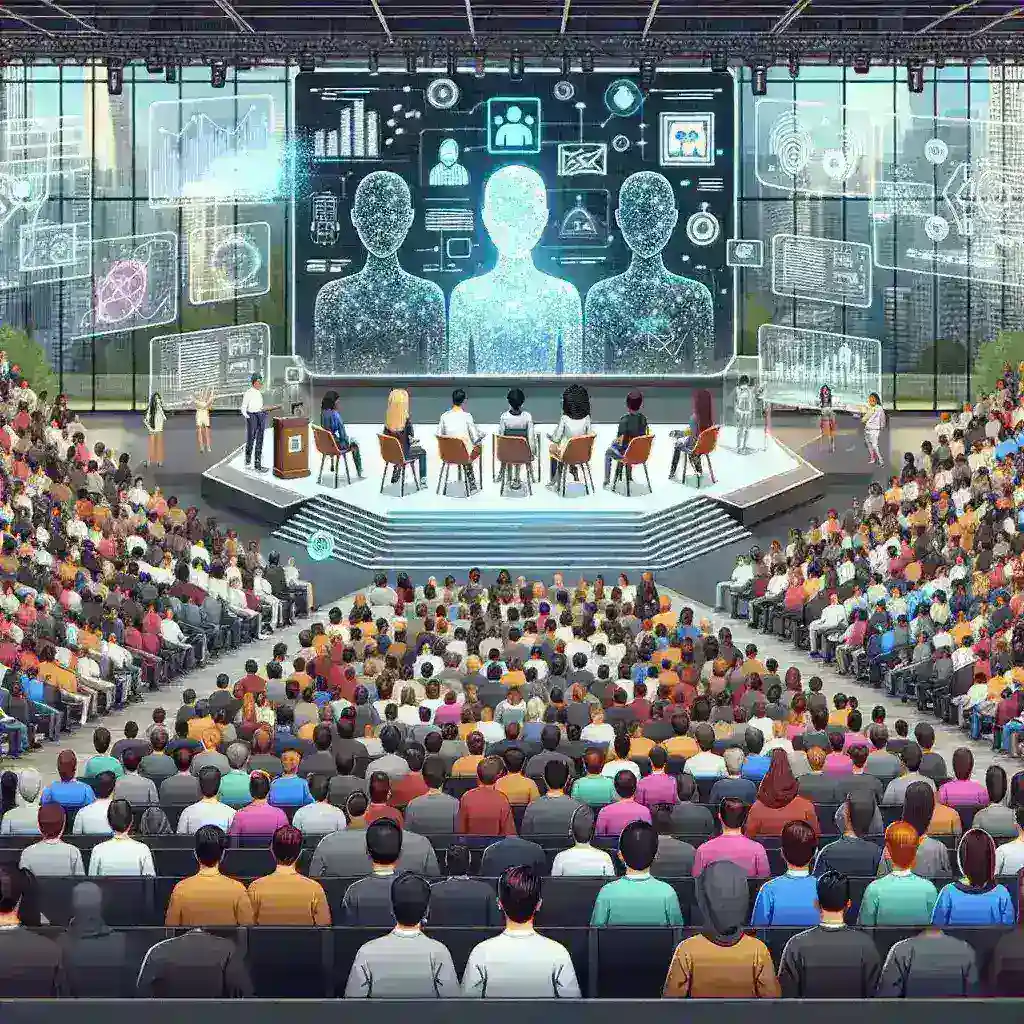
The Meta Reality Labs conference aims to bring together developers, innovators, and industry leaders to explore the capabilities and future of AI avatars. This gathering will not only showcase cutting-edge technology but also foster collaboration among participants striving to push the boundaries of what is possible in digital communication.
Key Topics of Discussion
- Technological Advancements: Developers will delve into the latest advancements in AI technology and how they can be leveraged to create more realistic and engaging avatars.
- User Experience: Discussions will focus on enhancing the user experience through avatar interactions, making them more intuitive and relatable.
- Ethics and Responsibility: With great power comes great responsibility. The conference will address ethical considerations surrounding AI avatars, including privacy concerns and data security.
- Future Trends: Participants will gain insights into emerging trends in AI and avatar technology, preparing them for the future landscape of digital interactions.
Who Should Attend?
The Meta Reality Labs conference is tailored for:
- Developers interested in AI and avatar technology
- Industry professionals looking to incorporate avatar solutions into their businesses
- Researchers and academics studying the implications of AI in communication
- Anyone passionate about the future of technology and digital interaction
Historical Context of AI Avatars
The concept of avatars is not new; however, the integration of AI has transformed them into dynamic entities capable of learning and adapting. Initially, avatars served as simple digital representations, often limited to static images or basic animations. The introduction of AI has revolutionized this concept, enabling avatars to engage in real-time conversations and respond to user emotions.
The Evolution of AI Avatars
Over the years, AI avatars have evolved significantly:
- Early Avatars: Simple graphical representations in early video games.
- Static Avatars: Basic 2D avatars used in online forums and chat applications.
- Interactive Avatars: Beginning in the late 2010s, avatars became more interactive, incorporating animations and pre-defined responses.
- AI-Powered Avatars: Today, avatars utilize advanced machine learning algorithms to engage users in meaningful conversations, making them feel more human-like.
Pros and Cons of AI Avatars
Advantages
- Enhanced Engagement: AI avatars can significantly increase user engagement by providing personalized experiences.
- Scalability: Businesses can use avatars to interact with numerous users simultaneously, reducing the need for human resources.
- Cost-Effective Solutions: Implementing AI avatars can lead to cost savings in customer service and support.
Disadvantages
- Ethical Concerns: The use of AI avatars raises questions about privacy, consent, and data security.
- Dependence on Technology: Over-reliance on avatars may lead to a decline in human interactions.
- Misinterpretation: AI avatars may misinterpret user emotions, leading to ineffective communication.
Future Predictions for AI Avatars
The future of AI avatars looks promising. As technology continues to advance, we can expect:
- Increased Realism: Future avatars will become even more realistic, incorporating advanced facial recognition and emotion detection.
- Broader Applications: AI avatars will find applications in fields such as education, healthcare, and entertainment.
- Integration with Augmented Reality: The convergence of AI avatars with augmented reality (AR) will create immersive experiences that blend the physical and digital worlds.
Real Examples of AI Avatars in Action
Numerous companies are already utilizing AI avatars to enhance their services:
- Customer Service: Major retailers are deploying AI avatars as virtual assistants to help customers navigate their websites.
- Gaming: Video game developers are creating AI avatars that adapt to player behavior, providing a more personalized gaming experience.
- Social Media: Platforms are experimenting with AI avatars to allow users to engage in virtual interactions.
Cultural Relevance of AI Avatars
The rise of AI avatars is reflective of broader cultural shifts towards digital interactions. As society becomes increasingly reliant on technology, avatars serve as a bridge between the virtual and real worlds, facilitating communication in an era where face-to-face interactions may be limited. This cultural relevance underscores the need for responsible development and deployment of avatar technology.
Conclusion
The upcoming Meta Reality Labs conference on AI avatars in the U.S. is not just an event; it’s a pivotal moment in the evolution of digital interactions. By bringing together industry experts and developers, this conference will pave the way for the next generation of AI avatars, emphasizing both innovation and ethical responsibility. As we look ahead, the potential for AI avatars to transform our interactions is immense, and the insights gained from this conference will undoubtedly shape the future of technology.
Leave a Reply