Introduction
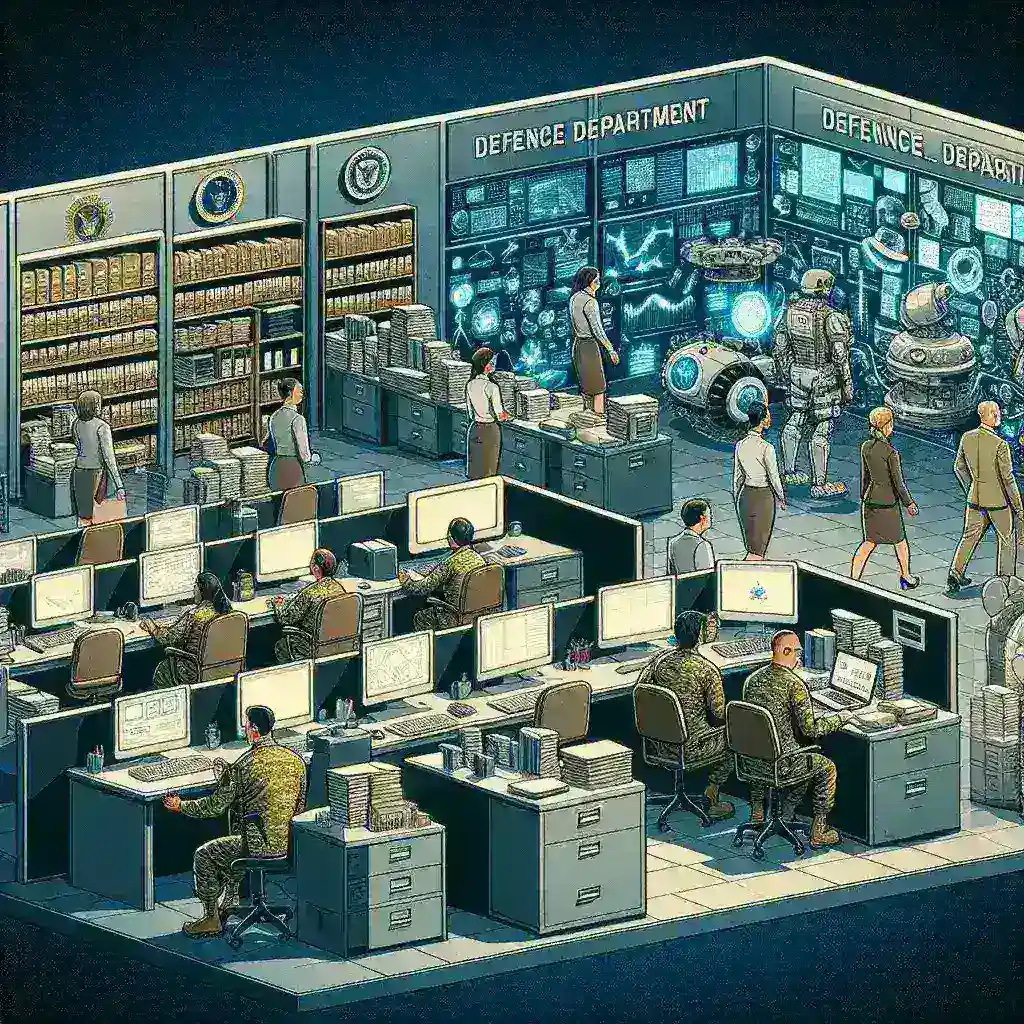
The Defense Department of the United States, a cornerstone of national security, is undergoing a significant transformation in its branding. This remaking of its image is not a mere exercise in aesthetics; it has far-reaching implications for tech-driven procurement practices, influencing how the department engages with technology, contractors, and innovation. This article delves into the various facets of the rebranding process, its historical context, and the potential future implications.
Historical Context of Defense Department Branding
The Defense Department has long been perceived through a lens of tradition and rigidity, often characterized by its bureaucratic practices. Historically, the branding of the department has emphasized strength and security, prioritizing military might over technological agility. However, as the technological landscape evolves rapidly, so too must the branding that represents these institutions.
The Shift in Perception
In recent years, the U.S. has faced increasing competition from global actors, particularly in technology sectors. This competition has prompted a reevaluation of how the Defense Department presents itself to both the public and potential technology partners. The shift towards a more modern and approachable brand aims to attract innovative solutions and streamline procurement processes.
Impact on Tech-Driven Procurement
The remaking of the Defense Department’s branding directly influences tech-driven procurement in several ways:
- Enhanced Collaboration: A modernized brand can foster a sense of partnership between the Defense Department and tech companies. The new branding initiative emphasizes collaboration, inviting startups and established firms to engage more openly with military procurement processes.
- Improved Transparency: Rebranding can lead to increased transparency in procurement processes. By adopting a more approachable brand, the Defense Department can demystify its procedures, making it easier for tech companies to understand how to participate.
- Attracting Talent: A refreshed image can help attract talent from diverse backgrounds, including those in the tech industry who may have previously viewed the Defense Department as outdated or uninviting.
Pros and Cons of the Rebranding Initiative
Pros
- Innovation Acceleration: With a focus on a collaborative and transparent approach, the Defense Department is likely to accelerate innovation cycles, bringing cutting-edge technologies into military applications more efficiently.
- Broadened Participation: By changing the branding, the department can appeal to a wider array of technology firms, including smaller companies that specialize in innovative solutions.
- Public Engagement: A more relatable brand image can enhance public engagement and trust, essential for securing budget allocations and support.
Cons
- Risk of Complacency: While rebranding can signal change, it may also risk complacency if not accompanied by substantive changes in procurement practices.
- Implementation Challenges: Transitioning to a new brand image can involve significant challenges, including internal resistance and the need for comprehensive training.
- Overemphasis on Branding: There is a danger that the focus on rebranding overshadows the critical need for reform in procurement processes themselves.
Future Predictions for Tech-Driven Procurement
The future of tech-driven procurement within the Defense Department appears promising, particularly if the rebranding initiative is executed thoughtfully. Experts predict several trends that may arise:
Increased Use of Agile Methodologies
As collaboration becomes a focal point, the adoption of agile methodologies is likely to increase. This approach will enable faster decision-making and adaptability within procurement processes.
Greater Emphasis on Cybersecurity
With the rise of cyber threats, the Defense Department’s rebranding may also encompass a robust focus on cybersecurity, ensuring that tech procurement prioritizes security measures in all aspects.
Partnerships with Academia
The new branding may foster partnerships between the Defense Department and academic institutions, enhancing research opportunities and ensuring that innovations are aligned with military needs.
Real Examples of Branding Impact
Several defense contractors have already begun to feel the impact of the rebranding initiative. For instance, companies like Lockheed Martin and Raytheon have made concerted efforts to align their branding with modern technological advancements. They now emphasize their roles not just as defense contractors but as integral partners in innovation.
Cultural Relevance and Its Implications
The cultural context within which the Defense Department operates cannot be overlooked in this rebranding effort. As society becomes more tech-centric, the expectation is that the institutions responsible for national security will also evolve. The rebranding initiative serves to align the Defense Department with contemporary cultural values, emphasizing innovation, transparency, and collaboration.
Conclusion
The impact of remaking the Defense Department branding on tech-driven procurement is profound. As the department positions itself as a more modern and collaborative entity, it stands to benefit from increased innovation, streamlined processes, and broader engagement with the technology sector. However, careful attention must be paid to ensure that this branding initiative translates into meaningful change rather than being a superficial alteration of image. As we look forward, the successful integration of new branding with substantive procurement reforms will be crucial to the U.S. maintaining its competitive edge in defense technology.
Leave a Reply