Introduction
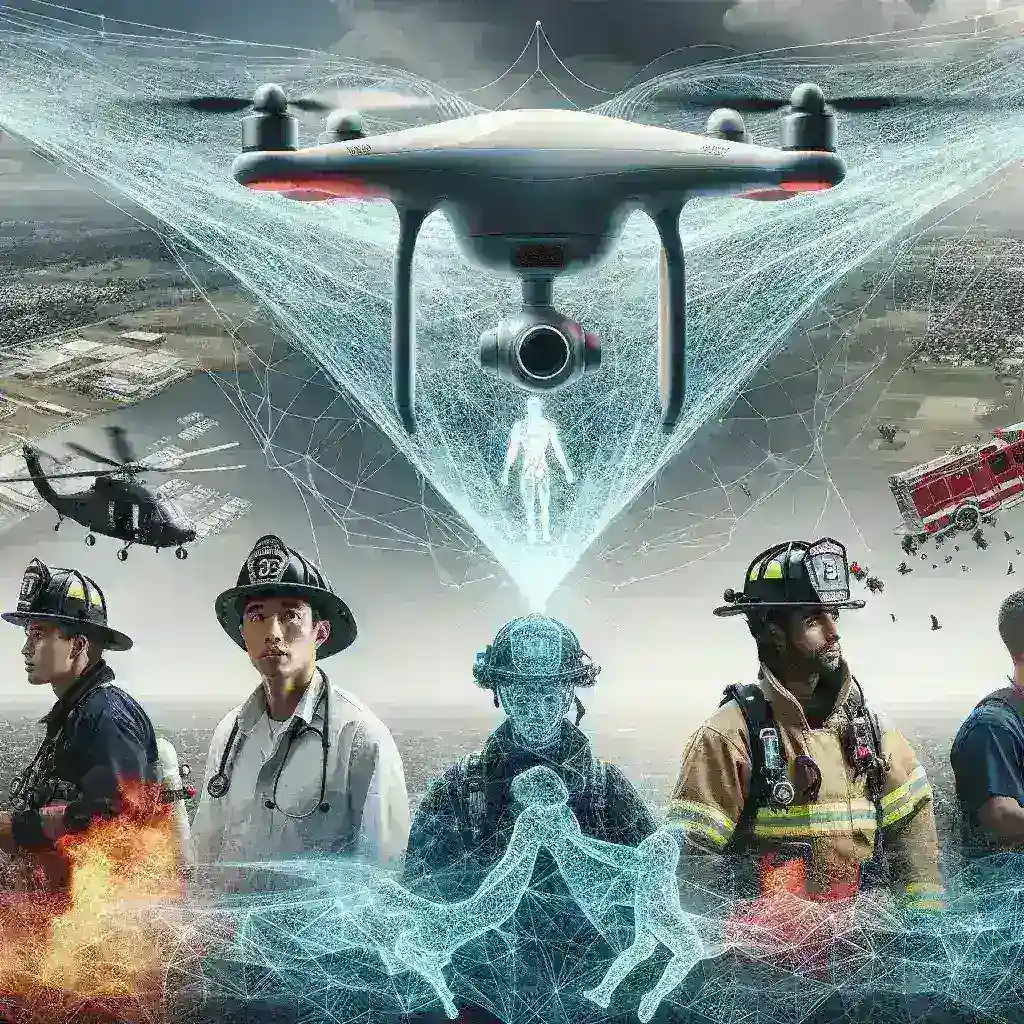
The world of drone technology is continuously evolving, and one of the most exciting advancements is the integration of artificial intelligence (AI) into various applications. DJI, a leader in drone manufacturing, is taking significant steps to enhance its drone rescue programs by incorporating AI-based thermal imaging. This innovative approach is not only transforming search and rescue operations but also saving lives in critical situations. In this article, we will delve into DJI’s latest developments, the impact of AI and thermal imaging on rescue missions, and the future of drone technology in emergency services.
Understanding DJI’s Commitment to Rescue Operations
DJI has established itself as a pioneering force in the drone industry, known for its cutting-edge technology and user-friendly devices. With a commitment to leveraging its advancements for societal good, DJI has been actively involved in various rescue operations globally. The company recognizes the potential of drones to assist emergency responders, especially in challenging environments where traditional methods may falter.
The Evolution of Drone Rescue Programs
Historically, drones have been utilized in search and rescue operations for their ability to access hard-to-reach areas and provide real-time aerial footage. However, the incorporation of AI-based thermal imaging marks a significant leap forward. This technology allows drones to detect heat signatures, making it easier to locate individuals in distress, whether they are lost hikers or victims of natural disasters.
AI-Based Thermal Imaging: How It Works
AI-based thermal imaging technology captures infrared radiation emitted from objects, which is then processed to create a thermal map of the environment. In the context of rescue operations, this means that a drone equipped with thermal imaging can quickly identify warm bodies in cold surroundings. This capability is crucial in scenarios where visibility is compromised, such as during nighttime operations or in dense forests.
Key Features of AI-Based Thermal Imaging
- Enhanced Detection: The ability to spot individuals even in low visibility conditions.
- Real-Time Data Processing: AI algorithms analyze thermal data instantly, allowing for rapid decision-making during rescue missions.
- Wide Coverage: Drones can cover large areas in a short amount of time, significantly reducing the search radius.
Real-World Applications of DJI’s Thermal Imaging Drones
DJI’s advanced thermal imaging drones have already been deployed in numerous real-world scenarios, showcasing their effectiveness in rescue operations. Here are a few notable examples:
1. Search and Rescue in Natural Disasters
During natural disasters such as earthquakes or floods, traditional rescue efforts often face significant obstacles. Drones equipped with thermal imaging can quickly assess the extent of damage and locate individuals in need of assistance. For instance, during the aftermath of a hurricane, drones were able to identify stranded individuals on rooftops, enabling timely rescues.
2. Locating Missing Persons
In cases of missing persons, particularly in vast outdoor areas, the speed and efficiency of thermal imaging drones can make a life-saving difference. Law enforcement agencies have successfully used DJI drones to pinpoint the locations of missing hikers and outdoor enthusiasts.
3. Supporting Emergency Services
Firefighters and emergency medical teams are increasingly leveraging DJI’s drone technology to enhance their operations. Thermal drones can assist in assessing fire spread, identifying hotspots, and locating victims trapped in smoke-filled environments.
The Future of Drone Technology in Rescue Operations
The continuous advancements in drone technology, particularly with AI and thermal imaging, promise exciting prospects for the future of rescue operations. As DJI expands its capabilities, we can anticipate several developments:
1. Improved AI Algorithms
As machine learning evolves, the algorithms powering thermal imaging technology will become increasingly sophisticated. This improvement will enhance the accuracy of body detection and allow drones to differentiate between humans and animals, further streamlining rescue efforts.
2. Integration with Other Technologies
Future iterations of rescue drones may incorporate additional technologies, such as LiDAR mapping and GPS tracking, providing a comprehensive toolkit for emergency responders. Such integration can lead to more efficient planning and execution of rescue missions.
3. Community Training and Engagement
As the use of drones becomes more widespread in rescue operations, community training programs will likely emerge. Educating local volunteers and emergency personnel on how to effectively use DJI drones can enhance community resilience in times of crisis.
Challenges Ahead
Despite the tremendous potential of DJI’s thermal imaging drones, several challenges must be addressed:
1. Regulatory Hurdles
As drones become more prevalent in emergency services, navigating the regulatory landscape will be crucial. Compliance with aviation laws while deploying drones in rescue scenarios is essential to ensure safety and effectiveness.
2. Technical Limitations
While thermal imaging technology is powerful, it is not infallible. Factors such as weather conditions and environmental obstructions can impact performance. Continuous advancements in technology will be needed to mitigate these limitations.
3. Public Perception
The use of drones in public spaces, especially in emergency scenarios, can raise concerns regarding privacy and surveillance. Building trust within communities will be essential for the successful implementation of drone rescue programs.
Conclusion
DJI’s expansion of drone rescue programs through AI-based thermal imaging represents a remarkable step forward in the realm of emergency response. By harnessing the power of technology, DJI is not only enhancing the efficiency of search and rescue operations but also contributing to saving lives. As the technology continues to evolve, the potential for drones in rescue scenarios is limitless, promising a future where emergency response is faster, safer, and more effective.
Call to Action
As we witness the ongoing advancements in drone technology and its applications in rescue operations, it is essential for individuals and organizations to stay informed and engaged. Consider exploring DJI’s latest offerings and learn how these innovations can make a difference in your community’s emergency preparedness efforts.
Leave a Reply